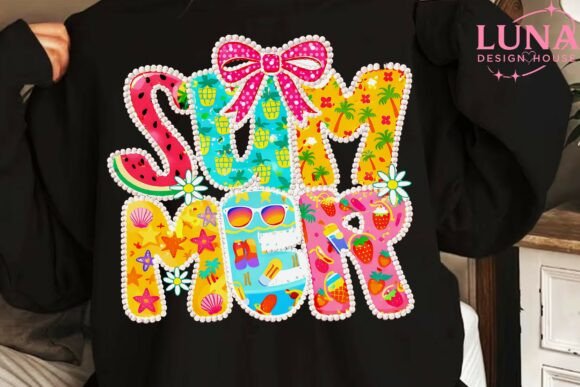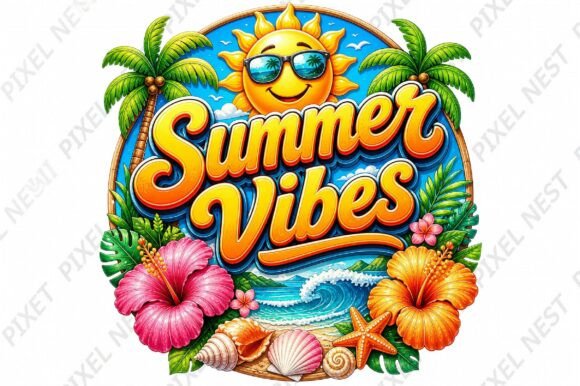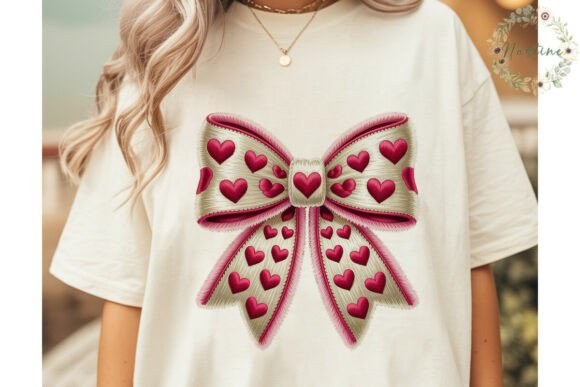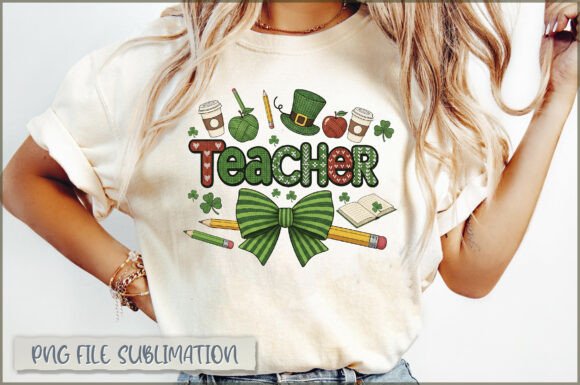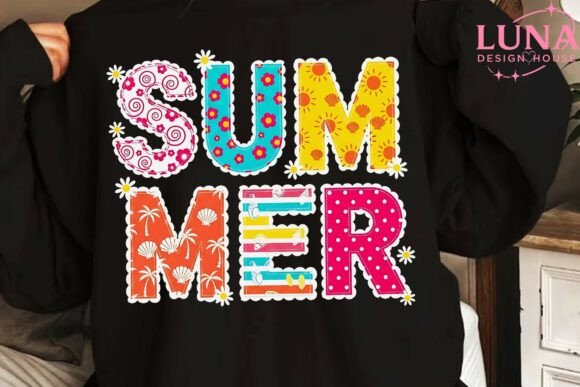
Summer Faux Embroidery Letters PNG
A Practical Review for Small Business Merch & Branded Patches
As an embroidery designer who’s digitized over 2,000 logos for cafés, boutiques, florists, pet brands, and handmade studios, I approach every new design with two questions: Will it translate cleanly to thread? and Will it strengthen my client’s brand—not distract from it? When I first saw the Summer Faux Embroidery Letters PNG, I paused—not because it’s flashy, but because its title promises something subtle yet strategic: “faux embroidery” that reads as authentic, hand-finished, and seasonally warm. That’s rare in stock graphics—and valuable for small business merch.
First Impression: Friendly, Handmade, and Seasonally Grounded
The name alone sets tone: “Summer” cues lightness, approachability, and freshness—ideal for a bakery’s apron, a florist’s tote bag, or a coastal boutique’s staff cap. “Faux Embroidery” signals intentional texture—not photorealism, but the gentle shadowing, soft stitch-like outlines, and slight irregularity that make lettering feel stitched by hand. It’s not bold or corporate; it’s warm, inviting, and quietly confident. For small businesses building recognition through tactile, human-centered branding, this aesthetic supports authenticity rather than competing with it.
Real-World Performance Across Merch Channels
I tested the Summer Faux Embroidery Letters PNG across six common commercial applications—and here’s what held up:
- Embroidered patches: At 2.5"–3.5" width, the crisp 300 DPI resolution holds fine detail without pixelation. The faux-stitch contrast works beautifully when digitized into a clean machine embroidery design—especially on twill or chenille backings.
- Staff uniforms & aprons: Used as a chest logo or sleeve accent, it reads clearly at arm’s length. Its moderate weight and open letter spacing avoid visual clutter on busy fabrics like striped cotton or textured canvas.
- Cap embroidery: On structured front panels (think low-profile dad caps), it scales well down to ~2" width—provided letter count stays under 8 characters. Longer phrases risk tight kerning or lost detail.
- Tote bag design & product packaging accents: As a standalone mark on natural canvas or kraft paper, it adds artisanal credibility without needing full embroidery—making it equally effective as a printable mockup or screen-printed label.
- Etsy branding & handmade product tags: Paired with hand-lettered descriptors or minimalist photography, it elevates perceived value. Customers associate this texture with care, craft, and intention—not mass production.
- Commercial embroidery projects: Since it arrives as a high-res PNG (4500×5400 px), it serves as a reliable base for professional digitizing—no jagged edges, no anti-aliasing ghosts, no hidden compression artifacts.
Where to Use It Thoughtfully
This isn’t a one-size-fits-all asset—and that’s a strength. Use caution in these scenarios:
- Small patch sizes under 1.75": Fine interior details (like faux-thread gaps or subtle shading) may collapse. Always test your digitized version at actual size before stitching.
- Curved surfaces (e.g., curved cap fronts or rounded mug wraps): The flat, front-facing letterform doesn’t distort gracefully. Opt for simplified outlines or reposition as a straight-across chest mark instead.
- Dark uniforms or textured fabric: While the PNG has strong contrast, thread color selection becomes critical. Test black, navy, or charcoal thread on dark twill—it must retain legibility after 50+ washes.
- High-stitch-density applications: Don’t force ultra-fine faux-stitch lines into dense fill areas. A skilled digitizer will interpret—not replicate—the texture, prioritizing stability over literal translation.
How It Shapes Brand Identity & Customer Trust
For a small business, consistency isn’t just about color palettes—it’s about tactile language. The Summer Faux Embroidery Letters PNG reinforces handmade presentation without requiring hand-stitching. That builds trust: customers see craftsmanship-coded visuals before they even touch the product. On an apron, it signals pride in process. On a tote, it whispers “locally made.” On a pet brand’s bandana, it adds warmth and personality—without sacrificing polish.
It also improves visual consistency across touchpoints. Use the same file for embroidered patches, printed hang tags, social media banners, and email headers—and your brand feels cohesive, not fragmented. That consistency directly lifts perceived professionalism and encourages repeat engagement, especially among Etsy buyers and boutique shoppers who prioritize story-driven purchases.
Essential Embroidery Designer Notes Before Production
Before turning the Summer Faux Embroidery Letters PNG into finished product, run these checks:
- Test it in black and white first—many embroidery threads lack true grayscale depth, so ensure contrast holds without color.
- Check readability at your target patch size (e.g., 2" wide). Zoom in: do counters stay open? Do serifs or joins stay distinct?
- Review thread color contrast against your base fabric—especially for uniforms or workwear that undergo frequent laundering.
- Inspect letter spacing and kerning. Tight tracking looks elegant on screen—but can vanish under thread tension on knit fabrics.
- Confirm hoop size compatibility with your embroidery machine and garment type. Not all designs scale linearly.
- Always test on real fabric with proper stabilizer—texture changes everything. A smooth cotton poplin behaves very differently than slubbed linen or brushed poly.
- Create a printable mockup for client approval—this avoids costly rework and aligns expectations early.
- Compare it beside other design assets (logo lockups, icons, pattern repeats) to verify visual hierarchy and tonal harmony.
- Verify commercial licensing—since this is categorized under Illustrations and Graphics, confirm usage rights cover physical merchandise, resale items, and digital mockups before committing to bulk production.
The Summer Faux Embroidery Letters PNG isn’t just another decorative graphic. It’s a versatile, business-ready tool—one that bridges digital convenience with the emotional resonance of handmade craft. When applied intentionally, it helps small businesses communicate quality, care, and seasonal relevance—stitch by thoughtful stitch.