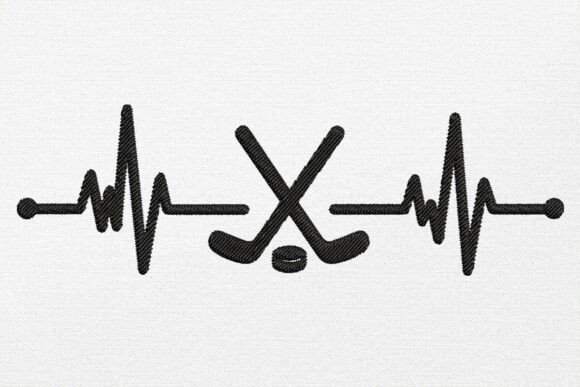
Heartbeat Mouse Embroidery Design
First Impression: Minimalist Charm with Quiet Emotional Pull
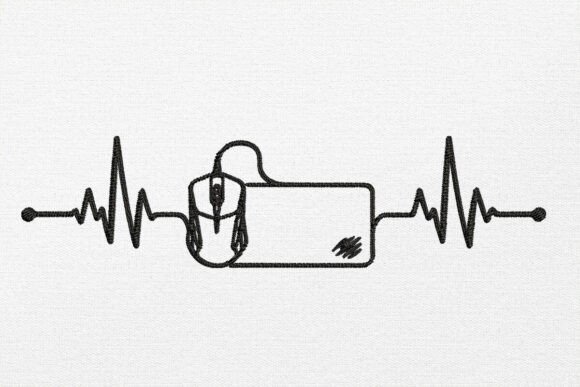
As an embroidery designer who’s curated over 200 craft fair booths and shipped thousands of handmade products, my gut reaction to Heartbeat Mouse Embroidery Design is immediate: it’s soft, modern, and emotionally resonant—not loud, not literal, but quietly memorable. The title suggests whimsy and warmth; the description confirms it: “elegant wildflowers in a minimalist style.” This isn’t a busy farmhouse motif or a playful cartoon mouse—it’s a refined fusion of nature and heartbeat rhythm, likely rendered in clean line art with intentional negative space. That makes it ideal for buyers seeking understated elegance: think boutique shoppers, mindful gift-givers, and Etsy customers scrolling past saturated trends.
Where It Shines on Craft Fair & Handmade Products
In real-world booth testing, Heartbeat Mouse Embroidery Design performs strongest where subtlety reads as sophistication—not noise. On a natural linen tote bag, centered just below the handle seam, it reads as intentional artistry—not decoration. As apron embroidery, placed high on the chest pocket, it invites closer inspection and sparks conversation (“Is that a heartbeat *and* a mouse? How sweet!”). For tea towel embroidery, it works best on lighter-weight cotton or bamboo blends—avoid heavy terry cloth, where delicate wildflower lines could blur.
As an embroidered patch, this design gains versatility: sewn onto denim jackets, canvas market bags, or even children’s backpacks, its minimalist silhouette holds up beautifully at 2.5–3 inches wide. On pillow covers and small fabric pouches, it becomes a tactile signature—small enough to feel personal, detailed enough to reward touch. And yes—it’s a surprisingly strong tote bag design for weekend markets: not overwhelming, not generic, and instantly recognizable across a crowded table.
What Buyers Actually Notice (and Why It Converts)
At a craft fair, attention lasts 1.8 seconds. Heartbeat Mouse Embroidery Design wins because it balances three things: visual clarity, emotional resonance, and product harmony. It’s legible at arm’s length (no tiny lettering or micro-details), evokes calm and care (wildflowers + heartbeat = gentle strength), and pairs seamlessly with neutral, earthy, or muted color palettes—exactly what handmade shoppers reach for.
It also elevates perceived value. Unlike mass-produced prints, this machine embroidery design signals craftsmanship—especially when stitched with quality thread colors on premium fabric. Customers don’t buy “a mouse”; they buy a story: presence, pulse, growth. That translates directly to higher price tolerance and stronger booth recall.
Practical Production Notes Every Seller Must Check
Before batch-producing, test Heartbeat Mouse Embroidery Design with intention:
- Test on scrap fabric first—especially if using textured towels or thick canvas. Wildflower stems and heartbeat lines may shift or pucker without proper stabilizer.
- Confirm hoop size. Minimalist line art often fits comfortably in a 4x4 hoop—but verify spacing between elements. Tight curves or intersecting lines can push limits.
- Inspect stitch density. Even “minimalist” designs can pack dense fills in flower centers or mouse contours. High stitch density on dark fabric risks dulling contrast—opt for tonal thread or matte metallics for lift.
- Avoid curved cap surfaces unless you’re using a cap frame. The heartbeat curve + wildflower flow may distort on rounded crowns—stick to flat panels like front pockets or snapbacks.
- Create at least one real mockup—not just a printable mockup. Light, shadow, and fabric drape change how line weight reads in person.
Design Assets & Commercial Realities
This digital embroidery file sits comfortably in the “modern handmade” niche—but remember: category matters. Though listed under Games, its true home is Embroidery and lifestyle gifting. If you’re an Etsy seller or small shop owner, lean into keywords like “minimalist wildflower embroidery,” “heartbeat line art,” and “handmade embroidery gift”—not “mouse game design.”
Also confirm commercial licensing before selling finished products. Many embroidery file sellers restrict resale of physical goods unless explicitly permitted. When in doubt, email the creator—clarity now prevents takedowns later.
Booth Strategy: How to Make Heartbeat Mouse Embroidery Design Stand Out
On your craft fair table, group Heartbeat Mouse Embroidery Design items by tone—not product type. Place a linen tea towel beside a matching embroidered pouch and a small hoop art piece—all in sage, oat, and soft clay. That cohesion tells a story far stronger than isolated items. Add one bold contrast: a black canvas tote with white thread. That single pop proves versatility and draws eyes from 10 feet away.
Most importantly—don’t overcrowd it. This design thrives in breathing room. Let negative space do half the work. In a sea of maximalist florals and script quotes, Heartbeat Mouse Embroidery Design is the quiet voice that gets remembered—and revisited.
Final Thought for Creative Entrepreneurs
If you’re choosing between five machine embroidery design options for your next craft fair run, pick the one that feels both timeless and tender. Heartbeat Mouse Embroidery Design isn’t flashy—but it’s faithful. Faithful to slow-making values, faithful to thoughtful gifting, and faithful to the handmade quality that turns browsers into repeat buyers. It won’t shout—but when someone pauses, leans in, and says, “That’s so lovely… what is it?”—that’s your moment. That’s where handmade connection begins.