Creative Bow Embroidery Design
A Soft Statement—Not Just Another Ribbon
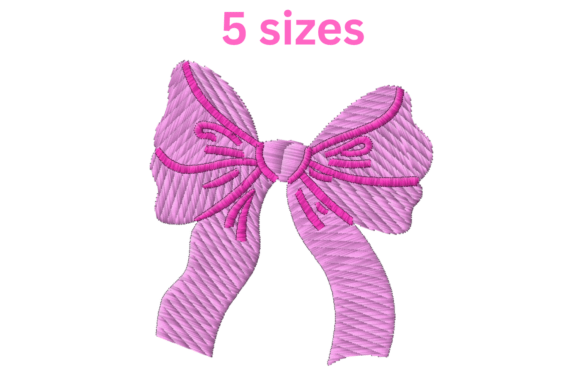
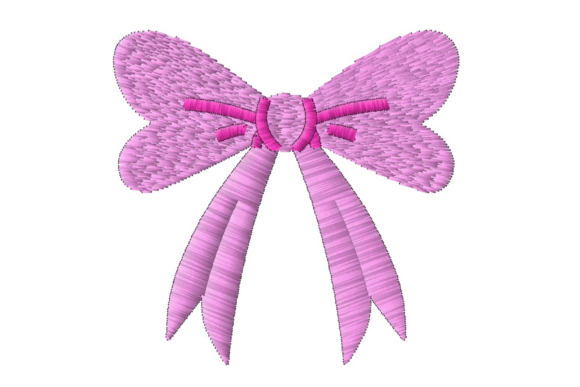
When I first opened the Creative Bow Embroidery Design file, I didn’t see a cliché. I saw rhythm—the gentle swell of the loops, the intentional taper of the ribbon ends, and that subtle asymmetry in the knot’s drape. It breathes. Unlike stiff, over-digitized bows I’ve stitched for client reworks, this one feels handmade *before* it’s even stitched. That’s rare. It lands somewhere between elegance and approachability—perfect for beauty-focused brands, baby boutiques, or artisanal kitchen goods where warmth matters as much as precision.
Real-World Test: A Linen Tea Towel for a Local Apothecary
Last week, I used Creative Bow Embroidery Design on a natural linen tea towel—part of a small batch for a neighborhood apothecary launching gift sets. The bow sat just above the hem, centered and quiet. No blaring monogram, no glittery font—just clean curves in soft ecru thread. Customers noticed it immediately. Not because it shouted, but because it *belonged*: the shape echoed the apothecary’s ribbon-tied packaging, and the stitch flow matched the towel’s relaxed drape. That’s the quiet power of this design—it supports storytelling, not steals it.
Where It Shines (and Where It Asks for Thought)
This isn’t a one-size-fits-all embroidery file. Its strength lies in intentionality—not versatility at all costs.
- Custom apparel: Works beautifully on sweatshirt cuffs, tote bag corners, or the chest pocket of a denim apron—especially when paired with minimal text or left solo. Avoid placing it dead-center on a busy knit fabric; let it breathe on solid or lightly textured ground.
- Baby embroidery & nursery decor: Its rounded edges and gentle scale make it ideal for onesies, burp cloths, or pillow covers. No sharp points, no fussy detail—just soft recognition. Perfect for the Beauty category without leaning into overt femininity.
- Holiday embroidery & personalized gifts: Stitch it in metallic gold on black velvet for holiday ornaments, or in blush pink on ivory cotton for wedding guest towels. It adapts without losing its voice.
- Embroidered patch & boutique branding: Digitized cleanly enough to hold up at 2.5”–3.5”, it translates well to iron-on or sew-on patches—great for shop tags, product labels, or staff aprons.
Use With Care: Practical Boundaries
Like any thoughtful design, Creative Bow Embroidery Design has limits—and respecting them keeps your finished product looking professional, not rushed.
- Small hoop sizes (< 4”): It fits, but test first. The inner curve of the bow loop can compress if scaled too low—lose that softness, and you lose the soul of the design.
- Textured or stretchy fabric: On terry cloth towels or lightweight jersey, use medium-weight cutaway stabilizer. The satin stitch areas need firm support, or they’ll pucker or shift.
- Dark fabric & thread contrast: This design relies on shape more than outline—so avoid pale thread on black fabric unless you’re adding an underlay or subtle outline stitch. Check your digital embroidery file preview in grayscale to confirm clarity.
- Curved surfaces (caps, hats): The bow’s symmetry works best on flat or gently contoured areas. Skip the crown curve—try it on the side panel instead.
- Frequent-wash items (baby clothes, kitchen linens): Confirm stitch density isn’t overly aggressive. Too many fill stitches in tight curves = stiffness and potential thread wear. A balanced mix of satin and fill is key.
What It Adds to Your Handmade Product—Beyond Pretty
Using Creative Bow Embroidery Design isn’t just about decoration. It quietly elevates perception:
- Visual appeal: Its balance creates instant harmony—no visual “tug” from uneven weight or jagged transitions.
- Customer trust: When a bow looks hand-drawn—not machine-perfect—it signals care. Buyers connect that to quality craftsmanship, especially in Etsy listings or craft fair products.
- Brand consistency: Whether you’re selling embroidered patches or custom apparel, this design becomes a recognizable motif—like a signature stroke.
- Giftability: It reads as personal, not mass-produced. That matters for personalized gifts and boutique merchandise where emotional resonance drives purchase.
- Professionalism: Clean pull compensation, smooth jump stitches, and logical thread color changes tell experienced eyes you’re using a well-digitized embroidery file—not a rushed freebie.
Designer Notes You’ll Actually Use
Before stitching your first run—or listing it in your shop—do these five things:
- Test Creative Bow Embroidery Design on scrap fabric matching your final product (linen, cotton poplin, fleece, etc.). Watch how the satin stitch settles—not just whether it stitches, but whether it *flows*.
- Check thread color contrast in both light and dark mockups. A printable mockup saves time and avoids costly recuts.
- Review stitch density visually—not just numerically. Dense fill in the knot? Lighter satin on the ribbon? That balance affects drape and durability.
- Confirm hoop size compatibility with your machine and project surface. If you’re embroidering on curved or layered garments, measure clearance before digitizing adjustments.
- Verify licensing terms—especially if you plan to sell finished products or resell the digital embroidery file as part of a design assets bundle. Clarity here protects your craft business long-term.
Final Thought: A Design That Listens
Creative Bow Embroidery Design doesn’t dominate a garment or accessory—it converses with it. That makes it unusually versatile for an embroidery file rooted in a single, simple idea. Whether you’re an Etsy seller building a cohesive line, a small shop owner refreshing seasonal merchandise, or a designer choosing embroidery project elements for client work, this bow earns its place not by being flashy, but by being considered. It’s the kind of detail that makes someone pause, smile, and say, “That feels right.” And in handmade product design, that’s the highest compliment you can earn.