Teddy Bear Floral Wreath Embroidery
First Impression: Soft, Whimsical, and Instantly Recognizable
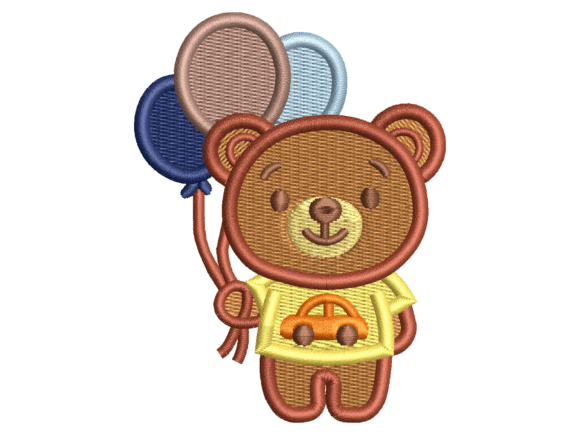
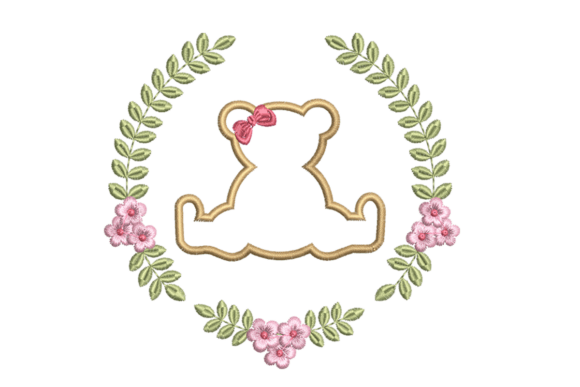
As an embroidery designer who’s prepped over 200 craft fair booths, my gut reaction to Teddy Bear Floral Wreath Embroidery is immediate: it reads as gentle, intentional, and emotionally resonant. Not overly cutesy or cartoonish—this isn’t a bold mascot-style bear. It’s delicate, with floral framing that suggests care, nostalgia, and quiet celebration. Think nursery wall art meets heirloom baby blanket—not festival merch or streetwear. That softness is its superpower at a craft fair, where shoppers pause for warmth, not noise.
Where It Shines on Craft Fair Products
This machine embroidery design thrives where intimacy and intention meet utility. Here’s how it performs across your most reliable handmade product categories:
- Tote bag design: Centered on a natural linen or oatmeal canvas tote, Teddy Bear Floral Wreath Embroidery reads beautifully at 4–5 inches wide—large enough to catch the eye from three feet away, small enough to preserve fabric drape. Avoid placing it too low; centering it just below the handle seam gives balanced visual weight.
- Apron embroidery: Perfect for the chest pocket or lower bib panel. Its circular composition anchors the apron without competing with functional pockets or ties. Works especially well on cotton duck or medium-weight denim—fabrics that hold stitch definition without stiffness.
- Tea towel embroidery: A standout. The wreath shape echoes traditional flour-sack aesthetics, and the bear adds narrative charm. Stitch density matters here—test on a textured terry or waffle-weave towel first. If the floral elements blur, simplify by stitching only the outer wreath + bear silhouette (many embroidery files allow layer toggling).
- Embroidered patch: Highly effective. Cut-and-sew or iron-on versions sell fast at craft fairs—especially when pinned to denim jackets or backpacks. Just ensure the design includes clean satin-stitched edges and minimal underlay in tight curves.
- Pillow cover & pouch embroidery: Ideal scale. At 3–4 inches, Teddy Bear Floral Wreath Embroidery feels luxurious and considered—not busy, not sparse. Pair it with solid-color linen or velvet for instant perceived value.
What Holds It Back (And How to Fix It)
It’s not universally flexible—and that’s okay. This digital embroidery file has clear boundaries:
- Cap embroidery? Challenging. The curved surface compresses fine floral details, and dense stitch areas may pucker. Skip full-wreath application on structured caps; instead, use the bear alone (if isolated in the file) as a subtle temple accent.
- Dark fabric? Requires high-contrast thread colors—think ecru bear + pale sage florals on navy or charcoal. Always test thread visibility before batch production.
- Small sizes (<2.5")? Risk losing clarity. Tiny petals or bear facial features may collapse into fill stitches. Reserve scaled-down versions for patches or labels—not primary product branding.
- Thick or napped fabrics? Fleece, sherpa, or heavy terry can swallow delicate stitch lines. Use cutaway stabilizer + reduced top tension, and consider simplifying inner floral layers if your machine allows editing.
Real Booth Impact: Attention, Value, and Repeat Appeal
In a crowded market aisle, Teddy Bear Floral Wreath Embroidery doesn’t shout—it invites. Customers slow down. They tilt their heads. They touch the texture. That tactile response is gold for handmade product sales. Unlike trendy motifs that fade after two seasons, this design leans into timeless emotional cues: comfort, tenderness, new beginnings. It reinforces brand consistency for makers specializing in baby goods, gender-neutral nursery decor, or sentimental gifting.
Visually, it strengthens booth display cohesion—especially when repeated across complementary items: a tea towel, matching pillow cover, and embroidered onesie all featuring the same wreath. That repetition builds recognition without monotony. And for Etsy sellers? It photographs exceptionally well: soft lighting highlights stitch dimensionality, and the circular shape frames naturally in square listing images. Pair it with a printable mockup showing multiple product applications—it converts faster than standalone flat files.
Production Notes Every Embroidery Designer Should Run
Before cutting your first production run, treat Teddy Bear Floral Wreath Embroidery like a new collaborator—not just a file:
- Test the embroidery file on scrap fabric matching your intended product—same weight, weave, and dye lot.
- Check thread contrast across three fabric bases: light, medium, and dark. Note which thread colors pop versus disappear.
- Review spacing between floral elements and the bear—if gaps are too narrow (<0.8mm), they’ll merge on textured surfaces.
- Confirm hoop size compatibility. If the design requires a 6x10" hoop but your best-selling tote uses a 5x7", ask the designer about a scaled version—or adjust placement to fit.
- Inspect stitch density in petal clusters and bear fur detail. High density = beautiful texture but slower runs and more thread breaks. Balance beauty with throughput.
- Match stabilizer to end use: tear-away for stable cottons, cutaway for knits or stretchy baby jersey, and fusible + tear-away combo for towels.
- Create at least one real-world mockup—not digital, not printed. Hold the embroidered tote in natural light. Does it feel special? Does the bear read clearly at arm’s length?
- Compare fabric color variations side-by-side. Ivory thread on cream linen reads differently than on oatmeal canvas—subtle, but critical for cohesive bundles.
- Verify commercial licensing. Since the description positions it for “personalized gifts” and “baby items,” confirm whether your intended use (e.g., selling embroidered onesies wholesale) falls within permitted scope.
Final Thought: A Quiet Seller With Strong Legs
Teddy Bear Floral Wreath Embroidery won’t dominate a neon-lit pop-up—but it will anchor a thoughtful, values-driven booth. It appeals to customers who buy with heart and hang onto things. For the Etsy seller building a legacy shop, the boutique maker curating seasonal collections, or the embroidery business owner expanding into baby and nursery markets, this design delivers consistent emotional resonance, strong visual hierarchy, and versatile execution. It’s not flashy—but in handmade markets, quiet confidence often sells first.