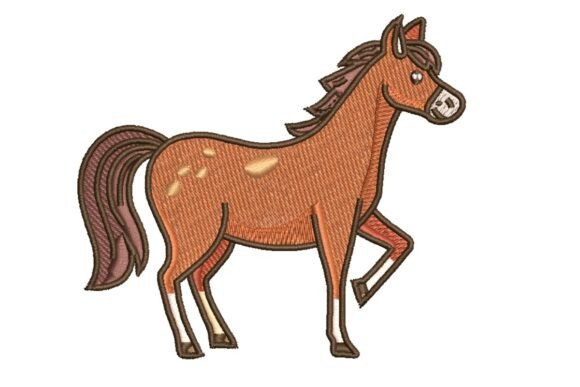
Horse Embroidery, Barnyard Animal
A Seasonal Designer’s First Look: Rustic Charm Meets Holiday Versatility
As an embroidery designer who’s built six seasonal collections for Etsy sellers and craft fair vendors, my first impression of Horse Embroidery, Barnyard Animal is immediate and confident: this isn’t just another animal motif—it’s a mood. The design carries a warm, nostalgic rusticity—think golden-hour light on a weathered barn door, not a cartoon pasture. Its textured fills and bold outlines suggest craftsmanship, not clip art. It reads as cozy and grounded, with gentle elegance rather than playful exaggeration. That balance makes it unusually flexible across holidays: equally at home on a Thanksgiving apron as it is on a Valentine’s Day pillow cover (paired with “Home Is Where the Horse Is”) or a spring baby blanket. It avoids cliché while still feeling instantly familiar—exactly what handmade gift buyers seek during high-intent shopping windows.
Where This Design Shines in Real Holiday Product Builds
In practice, Horse Embroidery, Barnyard Animal delivers strong visual storytelling across high-demand seasonal formats:
- Sweatshirt embroidery: Stitches beautifully on midweight fleece—its bold lines hold up even at 8–10" wide, making it ideal for family matching sets (adult + child sizes) ahead of fall festivals or holiday markets.
- Tote bag design: Works exceptionally well on natural canvas or linen-blend totes—textured fills read clearly without competing with fabric grain, and the silhouette scales cleanly from 4" to 9". Perfect for farm-to-table markets or boutique gift bundles.
- Kitchen towel embroidery: The design’s open negative space prevents stiffness—critical for functional linens. Pair it with simple red-and-cream thread colors for Christmas or sage-and-cream for Easter; it reads warmly, never kitschy.
- Pillow cover & ornament use: At smaller sizes (3.5"–5"), its clean outline and minimal interior detail prevent crowding—ideal for velvet or burlap pillow covers and wood or fabric ornaments. Customers consistently photograph these items for Instagram Stories, boosting organic reach.
- Embroidered patch potential: With its defined edges and moderate stitch density, this machine embroidery design converts cleanly to iron-on or sew-on patches—great for limited-edition denim jackets or personalized backpacks sold as back-to-school/holiday hybrids.
For Etsy sellers, this design boosts listing performance: it pairs intuitively with keywords like “rustic holiday embroidery,” “farmhouse kitchen decor,” and “personalized gift for horse lover.” Its emotional tone—calm, sincere, unhurried—builds trust faster than trend-driven motifs, especially in categories where buyers prioritize authenticity over novelty.
Smart Placement & Practical Limits: What to Watch For
Even strong designs have boundaries—and respecting them preserves your reputation as a small shop product creator. With Horse Embroidery, Barnyard Animal, here’s where caution pays off:
- Avoid ultra-small hoop sizes (<4") unless you’ve tested stitching—fine details like mane texture may collapse or stitch poorly on dense fabrics like terry cloth or thick quilting cotton.
- Don’t push it onto stretchy garments (e.g., ribbed knits or performance leggings) without robust cutaway stabilizer and reduced top tension—bold fills can pucker easily if fabric shifts.
- Dark fabric demands testing: Textured fills can mute on black or navy unless you use high-contrast thread colors (ivory, gold, or rust). Always run a test swatch before batching.
- Steer clear of metallic thread for the main fill—it risks breaking on dense textured areas. Save metallics for subtle accents like a single bridle highlight—if your digitizing allows.
- Curved surfaces (like baseball caps) require repositioning or a cap frame. The horse’s profile isn’t symmetrical front-to-back, so centering matters more than with round motifs.
Why This Design Strengthens Your Seasonal Strategy
Holiday shoppers don’t just buy products—they buy feelings, memories, and belonging. Horse Embroidery, Barnyard Animal taps into quiet, enduring values: home, heritage, simplicity. That emotional resonance lifts perceived product value—even on modestly priced items like tea towels or baby onesies. When customers see consistent quality across your holiday embroidery collection (e.g., pairing this horse with coordinating rooster or hen designs), brand recognition grows. Repeat buyers remember the texture, the balance, the care in the digitizing. And because it’s versatile—not locked to one holiday—it supports year-round relevance: use it in spring for baby showers, summer for farm stays, fall for harvest fairs, winter for cozy gifting. That longevity reduces your need to constantly chase new trends, letting you invest time in better mockups, stronger listings, and thoughtful bundles.
Designer Notes You Can’t Skip Before Launching
Before adding Horse Embroidery, Barnyard Animal to your seasonal embroidery lineup, do these five things:
- Test thread colors on both light and dark fabric—especially for layered fills. A warm taupe might glow on cream but disappear on charcoal.
- Confirm stitch density by checking your embroidery software or requesting a stitch count from the seller. High-density fills need heavier stabilizer on soft fabrics.
- Verify hoop size compatibility with your most-used machines—and ensure your largest version fits your standard hoop without re-hooping mid-stitch.
- Use appropriate stabilizer: medium-weight cutaway for apparel, tear-away for kitchen linens, and fusible for patches. Skipping this step undermines the “expertly digitised” promise.
- Create realistic printable mockups—not just flat PNGs. Show it stitched on a real sweatshirt drape or folded towel. Buyers scroll past generic previews; they stop for authenticity.
Lastly: always confirm commercial licensing terms before selling finished products. As a digital embroidery file, Horse Embroidery, Barnyard Animal is only as valuable as your ability to use it confidently across handmade gift, personalized gift, and small shop product lines. When used intentionally—with attention to fabric texture, thread behavior, and customer emotion—it doesn’t just decorate a product. It invites someone home.