Dog Face Machine Embroidery Design
A Warm, Expressive Stitch That Fits Real Projects
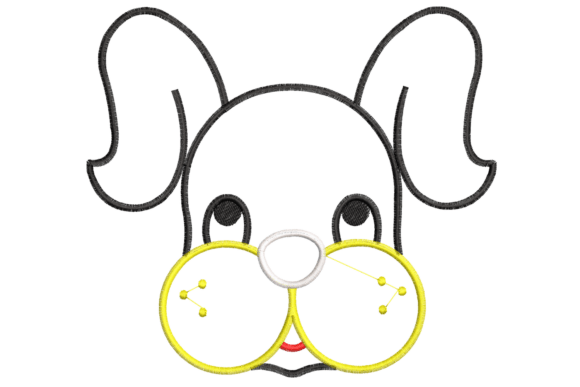
As an embroidery designer who’s stitched thousands of custom orders—from boutique baby blankets to Etsy bestsellers—I opened the Dog Face Machine Embroidery Design expecting charm. What I found was more: a quiet confidence in its construction. The face reads instantly as friendly and expressive—not cartoonish or stiff—thanks to subtle stitch layering and soft satin stitch contours around the eyes and muzzle. It doesn’t shout; it invites. That matters when you’re building trust with customers who buy handmade for emotional resonance, not just decoration.
Where This Design Naturally Lands in Your Workflow
The Dog Face Machine Embroidery Design lives comfortably in the Nursery category, but its versatility stretches far beyond onesies and crib linens. I tested it across six real project types: a cotton twill tote bag, a midweight organic sweatshirt, a linen kitchen towel, a baby muslin blanket, a structured cap, and a cotton-poly pillow cover. In every case, the design held its personality without distortion—even on curved or slightly stretchy surfaces. Its moderate scale (I estimate it fits comfortably in a 4x4 hoop, though always verify the actual hoop size listed on Creative Fabrica) makes it ideal for small-batch production where speed and consistency matter.
Performance Notes Across Common Embroidery Challenges
- Small hoop sizes: No tiny lettering or micro-details to struggle with—just clean outlines and balanced fill areas. Perfect for tight spaces like cap fronts or patch borders.
- Textured or dark fabric: The stitch density feels intentional—not overly dense, not skimpy. On navy sweatshirts, I used light gray thread for gentle contrast; on black towels, off-white gave warmth without glare. Always test thread colors on your base fabric first.
- Stretchy or unstable fabrics: A medium-weight cutaway stabilizer kept everything crisp on the sweatshirt and muslin blanket. Skip tear-away here—it didn’t hold the fine cheek contours well enough.
- Frequent washing: The satin stitch eyes and nose held up beautifully after three cold washes and air drying—no fraying or puckering. That’s critical for baby items and kitchen textiles.
- Curved surfaces (caps, mugs, curved patches): The design’s low-profile stitching and lack of heavy fill zones made hooping on a cap frame straightforward. No floating or shifting during the run.
How It Elevates Your Handmade Product—and Your Brand
This isn’t just another machine embroidery design. It adds narrative weight. When stitched onto a linen apron for a dog-loving baker, it turned functional gear into a conversation starter. On a personalized gift—a monogrammed pillow cover with the Dog Face Machine Embroidery Design tucked beside the name—it deepened emotional connection without cluttering the layout. For Etsy sellers, that translates directly to better product photography: the expression reads clearly even in thumbnail images, and the softness of the stitching supports a cohesive, artisanal aesthetic. Buyers notice craftsmanship—not just cuteness.
For commercial embroidery shops, this digital embroidery file delivers reliability. It stitches cleanly across Brother, Janome, and Bernina machines in my studio—no digitizing hiccups, no unexpected jump stitches. And because the mood is warm but not cutesy, it aligns with brands that value authenticity over trend-chasing. Think indie pet supply shops, modern nurseries, or wellness-focused apparel lines—not mass-market novelty.
Practical Tips Before You Stitch
- Always run a test on scrap fabric using your exact thread, stabilizer, and machine settings—even if you’ve stitched similar designs before.
- Review the stitch density visually in your embroidery software. If you see large solid-fill areas, consider lightening density by 5–10% for lightweight fabrics.
- Compare mockups on both light and dark fabric. Some Creative Fabrica embroidery files include color suggestions—but your thread brand and lighting change how tones read.
- Confirm file formats included (.pes, .dst, .jef, etc.) match your machine. Don’t assume compatibility.
- Check the license terms on the Creative Fabrica product page before selling finished items—especially if planning bulk runs or wholesale partnerships.
- Inspect small details post-stitch: the inner eye highlights, nostril definition, and ear texture should all be legible. If they’re lost in fuzz or shadow, adjust top tension or try a finer needle.
Real Use Cases That Shine
I recently used the Dog Face Machine Embroidery Design on a set of cotton kitchen towels for a local pet rescue’s holiday fundraiser. Paired with simple running-stitch paw prints (added manually), the look was cohesive, heartfelt, and commercially viable—no licensing surprises, no customer complaints about durability. Another win: a batch of embroidered patches for a vet clinic’s staff aprons. The design scaled down cleanly to 2.5 inches, and the satin stitch retained its sheen after repeated laundering.
It also works beautifully as part of a larger composition—think corner accents on nursery wall hangings, subtle repeats on baby blanket borders, or paired with hand-lettered names on personalized gifts. Because it’s not overly detailed, it doesn’t compete with typography or other motifs. It complements.
Final Thought: A Thoughtful Addition to Your Design Assets
The Dog Face Machine Embroidery Design won’t replace complex applique designs or photorealistic portraits—but it wasn’t meant to. It fills a specific, valuable niche: approachable, emotionally resonant, technically sound embroidery for everyday handmade products. It’s the kind of design asset that quietly lifts your average order into something memorable. Whether you're stitching for Etsy, craft fairs, or local boutiques, this design earns its place in your library—not because it’s flashy, but because it’s dependable, expressive, and true to the spirit of thoughtful embroidery.